Movie Overview
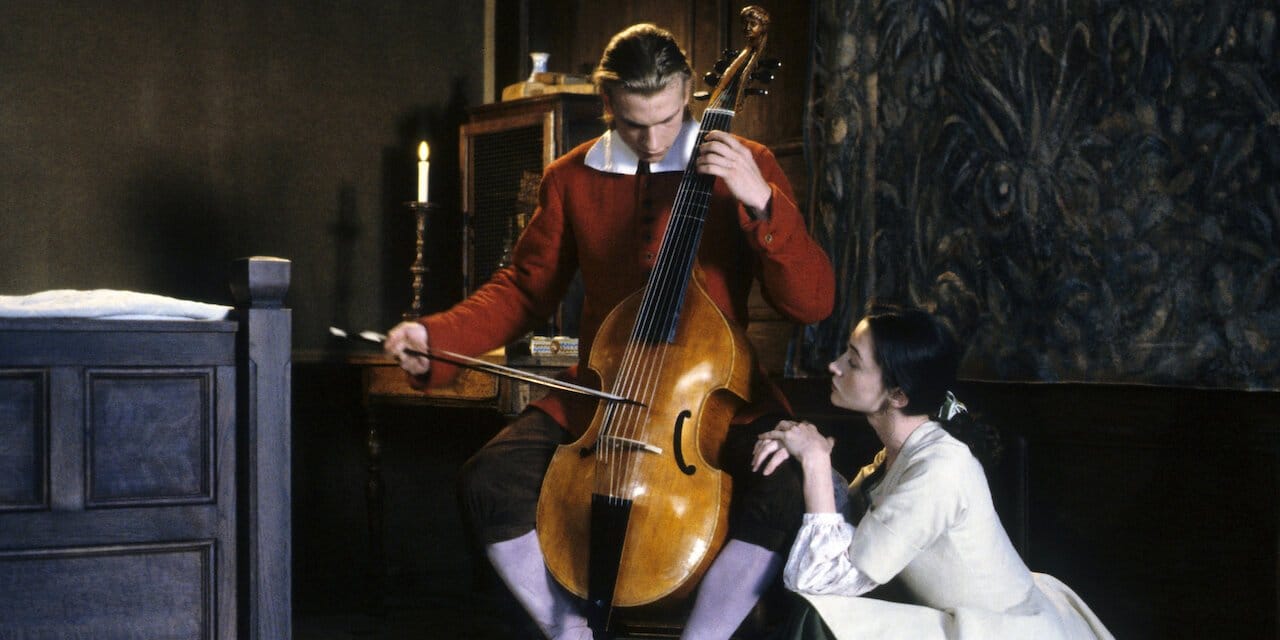
Transporting viewers to the opulent yet melancholic court of Louis XIV, Tous Les Matins Du Monde is a cinematic masterpiece that delves deep into the power of music and memory. Directed by Alain Corneau, this 1991 historical drama focuses on the intense relationship between the reclusive composer Monsieur de Sainte Colombe and his ambitious student, Marin Marais. The narrative follows Sainte Colombe, a fierce and somber man mourning his late wife, who retreats into solitude to master the viola da gamba. His peace is disrupted when the young and talented Marais seeks his tutelage, eager to learn the secrets of the instrument to impress the King. Through their musical sessions, the film explores themes of artistic integrity, jealousy, and the transcendent nature of art.
The performances in Tous Les Matins Du Monde are nothing short of extraordinary. Gérard Depardieu plays the older, successful Marais, while his son Guillaume Depardieu portrays the younger version, capturing the character's vanity and eventual remorse. Jean-Pierre Marielle delivers a career-defining performance as Sainte Colombe, embodying the character's stoic grief and profound dedication to his craft. Anne Brochet shines as Madeline de Sainte Colombe, the daughter caught between the two musicians. The film’s score, featuring authentic performances of baroque music by Jordi Savall, is a character in itself, driving the emotional weight of the story.
Critically acclaimed for its atmospheric beauty and historical accuracy, the film received 9 wins and 8 nominations total, including a stunning 91% rating on Rotten Tomatoes. It stands as a high-water mark in French cinema, celebrated for its lush cinematography and respectful treatment of 17th-century musicology. For those looking to watch online, this Netflix offering provides a meditative and visually arresting experience. Whether you are a fan of historical dramas or simply appreciate stories about the human condition, Tous Les Matins Du Monde is a must-watch film that resonates long after the final note fades.